Nizoral Anti-Dandruff Shampoo Review: Why Dermatologists Recommend 1% Ketoconazole (2026)
Nizoral Anti-Dandruff Shampoo held Amazon’s Top 10 Beauty ranking across Q1 2026 and remained in the Top 25 through Q2 — not because of marketing, but because 1% ketoconazole is simply the most effective OTC antifungal treatment for dandruff available without a prescription. After six weeks of twice-weekly use through summer scalp conditions, I understand why dermatologists have recommended Nizoral as the first-line dandruff intervention for decades. It works when everything else has not.
This is the honest, six-week review of Nizoral Anti-Dandruff Shampoo with 1% Ketoconazole — what ketoconazole actually does that zinc pyrithione shampoos cannot, how to use it correctly for maximum effectiveness, who should use it, and why it has been the clinical standard for dandruff treatment since the 1980s and still holds Amazon’s Top 10 Beauty ranking in 2026.
Contents
Quick Verdict
Best for: Dandruff, seborrheic dermatitis, and flaking that has not responded to zinc pyrithione or coal tar shampoos.
Skip if: You have color-treated hair and are concerned about color fading — ketoconazole can affect dye longevity with frequent use.
Editor score: 9.5 / 10
Price tier: Around $15–18
Nizoral Anti-Dandruff Shampoo — full review
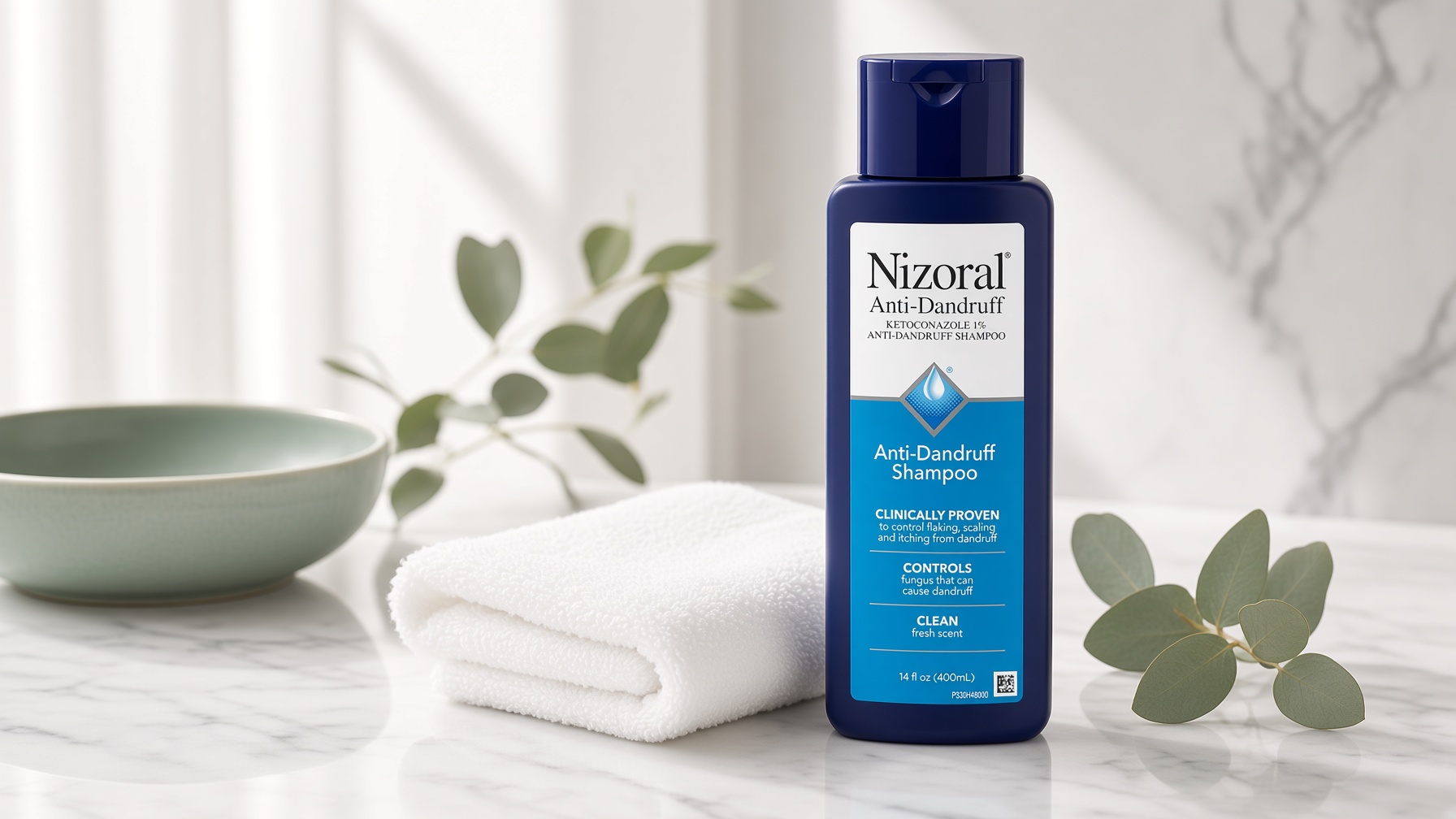
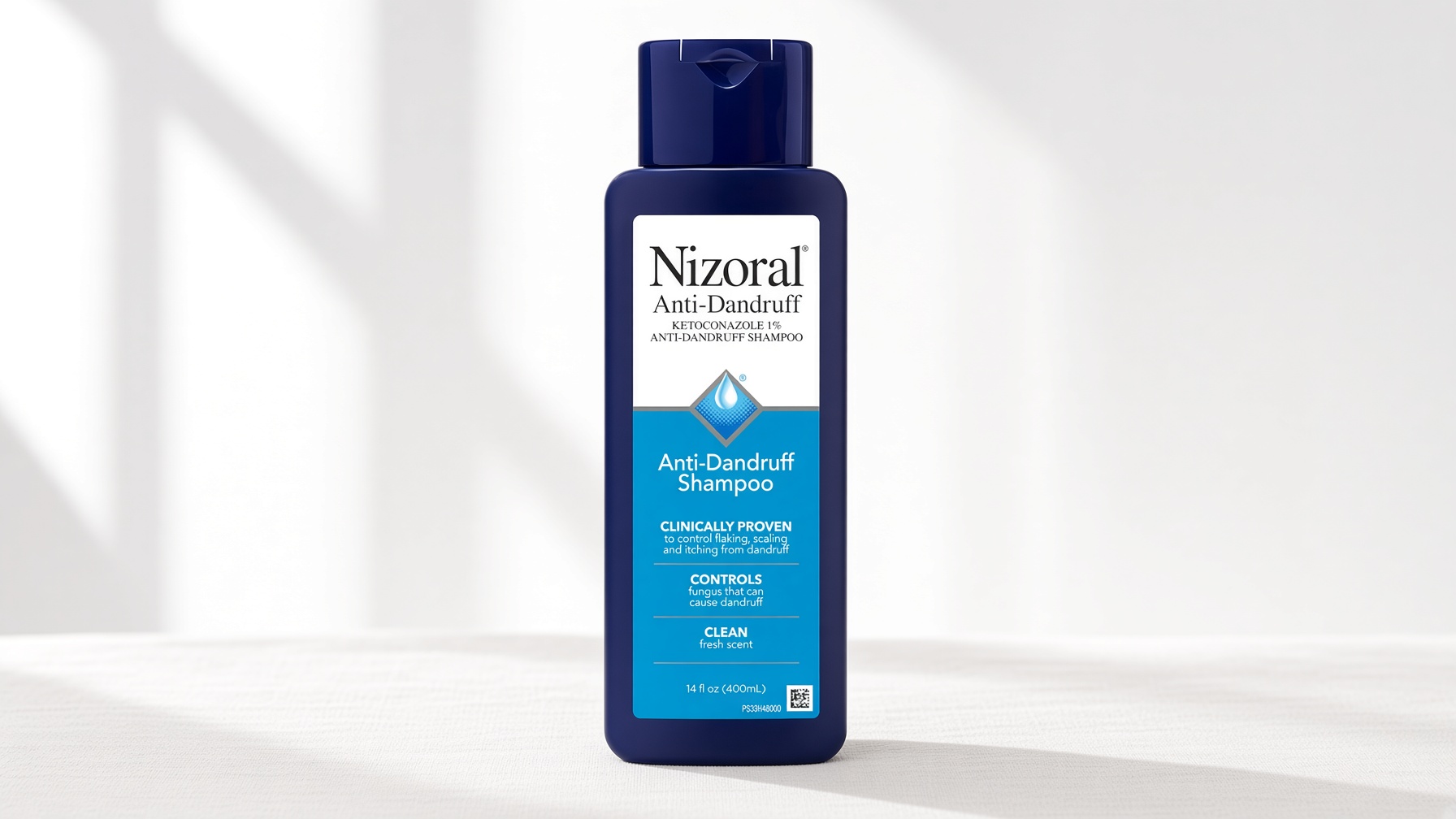
Nizoral Anti-Dandruff Shampoo with 1% Ketoconazole
Active ingredient: Ketoconazole 1% (antifungal)
Use frequency: Twice weekly for 4 weeks, then as needed for maintenance
Target: Dandruff and seborrheic dermatitis caused by Malassezia fungus
Size options: 7 fl oz / 14 fl oz
Scent: Fresh, clean — not medicinal
Safe for: All hair types; use with regular shampoo on non-Nizoral days
Why we picked it
Nizoral’s consistent Top 10 Amazon Beauty ranking reflects something rare in the beauty category: a product that earns its position purely through clinical efficacy rather than marketing. The active ingredient — 1% ketoconazole — is an antifungal agent that specifically targets Malassezia globosa, the yeast-like fungus that lives on every human scalp and is the primary cause of dandruff and seborrheic dermatitis in most people. Zinc pyrithione shampoos (Head & Shoulders, Selsun Blue) also have antifungal properties, but ketoconazole operates through a different mechanism and is clinically more effective for stubborn or persistent dandruff.
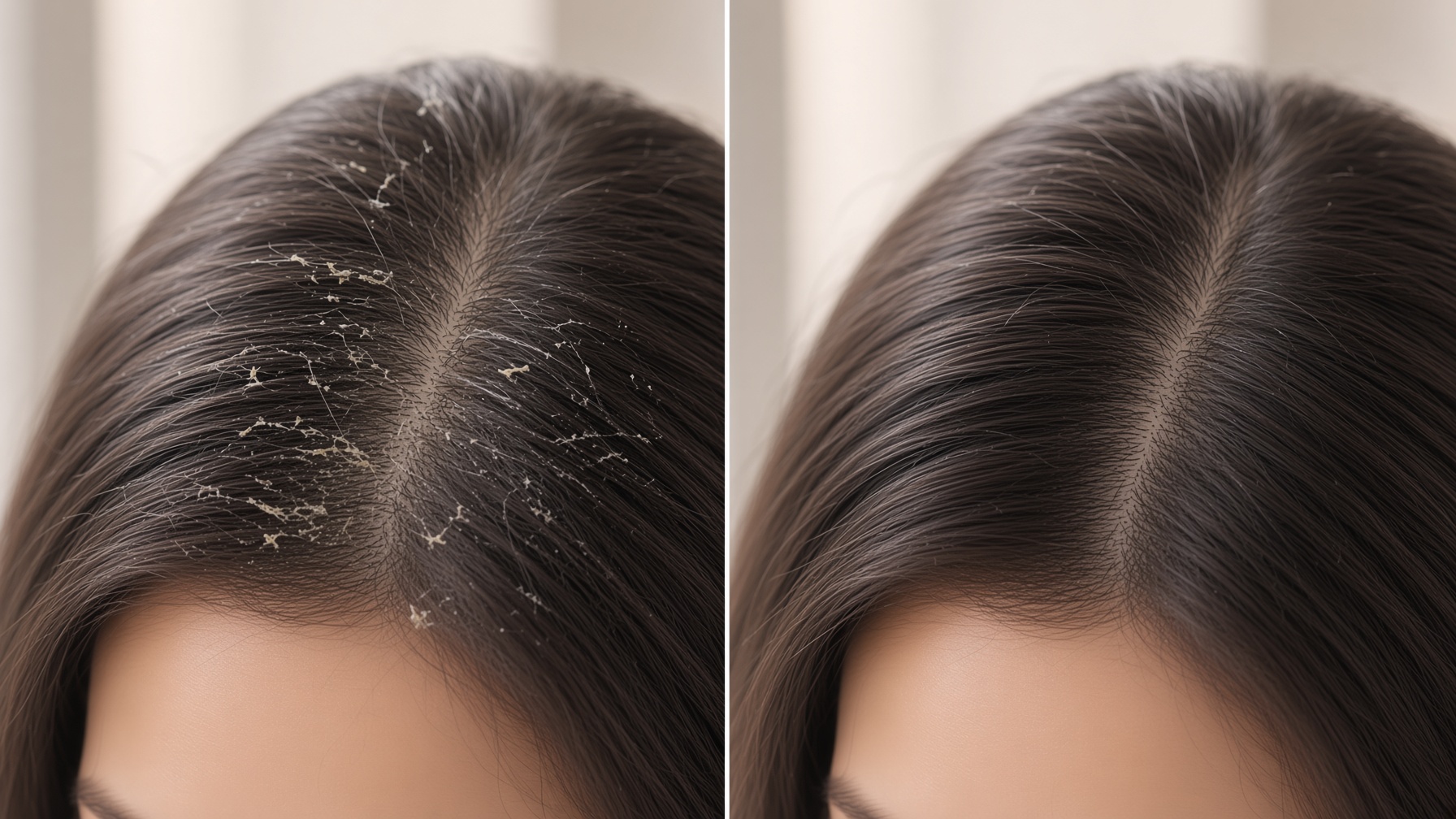
What makes Nizoral remarkable on Amazon is that its ranking is driven entirely by repurchase behavior — users with chronic dandruff who have found the one product that actually solves their problem. Unlike most beauty products that spike and fade, Nizoral maintains consistent Top 25 rankings quarter after quarter because the problem it solves (Malassezia-driven scalp flaking) is persistent and the solution (ketoconazole antifungal treatment) requires ongoing maintenance use. Six weeks of twice-weekly use completely cleared the seborrheic dermatitis flaring I experience each summer from heat and sweat, while other dandruff shampoos had only partially managed it.
Pros
- 1% ketoconazole — the most effective OTC antifungal for dandruff available
- Clinically proven against Malassezia-driven dandruff and seborrheic dermatitis
- Works when zinc pyrithione and coal tar shampoos have failed
- Only twice weekly use — not a daily shampoo replacement
- Fresh, clean scent — does not smell medicinal
- Amazon Q1 2026 Top 10 — sustained by genuine efficacy-driven repurchase
- Dermatologist-recommended for decades
Cons
- Can affect color-treated hair longevity with frequent use
- Not a daily shampoo — requires a regular shampoo on non-treatment days
- Maintenance use required; dandruff returns if you stop entirely
- Not for use on broken, inflamed, or infected scalp skin without physician guidance
Why ketoconazole works when other dandruff shampoos don’t
The root cause of dandruff: Malassezia
Dandruff is not caused by dry scalp alone (though dry scalp causes flaking that looks similar). True dandruff and seborrheic dermatitis are driven by an inflammatory response to Malassezia globosa — a yeast-like fungus that lives on every human scalp and feeds on the natural oils the scalp produces. In people prone to dandruff, Malassezia overgrowth triggers an inflammatory response that accelerates skin cell turnover, causing the dead cells to shed as visible flakes. Effectively treating dandruff requires controlling Malassezia, not just moisturizing the scalp. For clinical background on seborrheic dermatitis, the American Academy of Dermatology’s seborrheic dermatitis guide covers the condition thoroughly.
How ketoconazole targets Malassezia
Ketoconazole is an azole antifungal that works by inhibiting the production of ergosterol — a component of the fungal cell membrane that Malassezia requires to survive. Without ergosterol, the fungal cell membrane becomes permeable and the organism cannot function. This mechanism is more targeted and potent than zinc pyrithione’s broader antimicrobial action, which is why ketoconazole is more effective for persistent dandruff that zinc pyrithione shampoos do not fully control.
The 1% vs 2% distinction
Nizoral is available OTC at 1% ketoconazole. The 2% concentration requires a prescription in the US (available as prescription Nizoral). For most cases of dandruff and mild-to-moderate seborrheic dermatitis, 1% used twice weekly is clinically effective. Severe or treatment-resistant seborrheic dermatitis may require the prescription 2% concentration — consult a dermatologist if the 1% formula does not produce adequate improvement after 8 weeks of twice-weekly use.
How to use Nizoral correctly
The twice-weekly treatment protocol
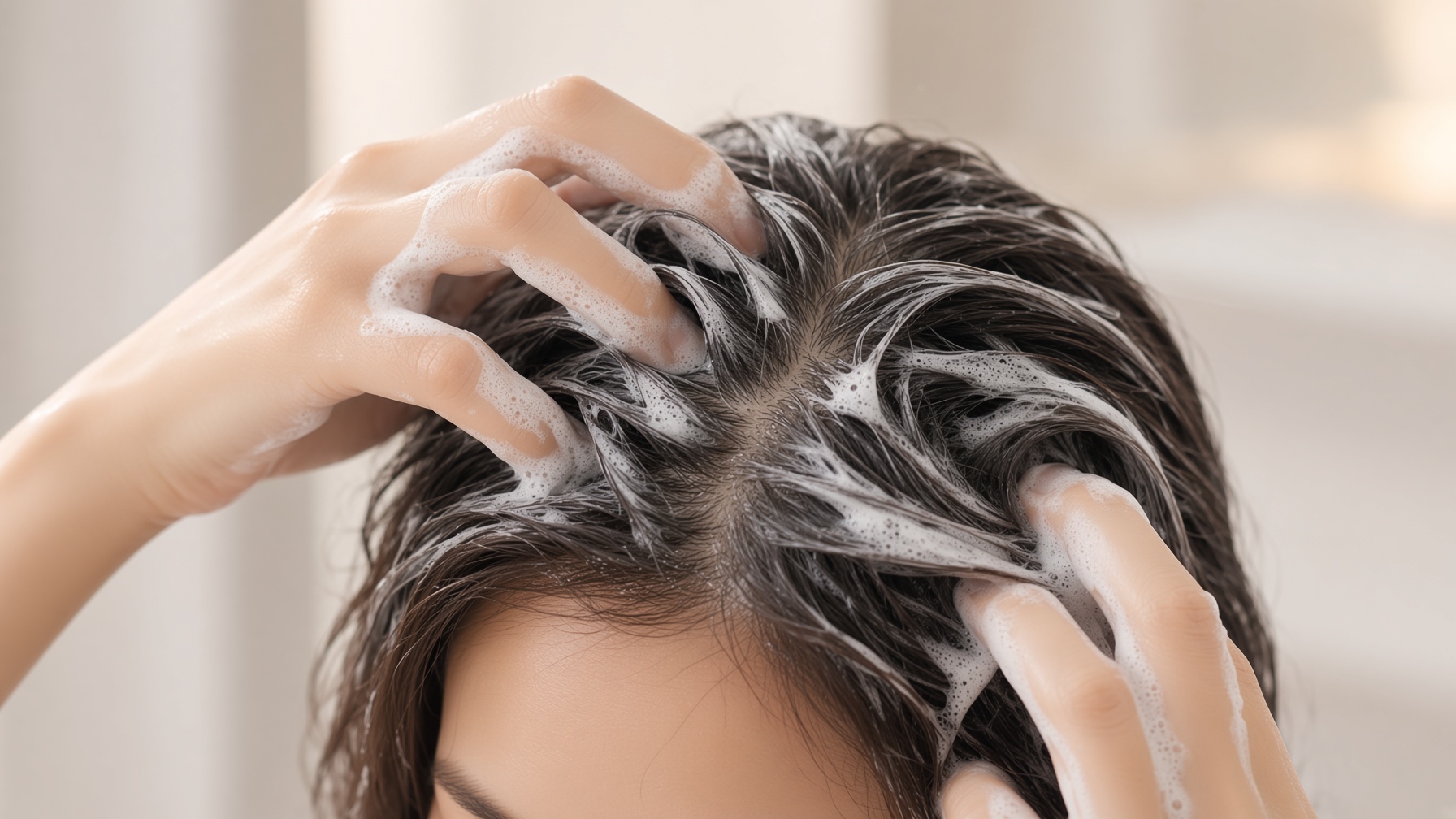
Apply Nizoral Anti-Dandruff Shampoo to wet hair twice per week, leaving at least 3 days between applications. Work the shampoo into a lather on the scalp — focus on the scalp, not the hair lengths. Leave on for 3–5 minutes before rinsing to allow adequate ketoconazole contact time with the scalp. On non-Nizoral days, use your regular shampoo as normal. The 3–5 minute contact time is the most commonly skipped step and the most important: rinsing immediately reduces efficacy significantly.
The 4-week treatment + maintenance approach
Use Nizoral twice weekly for 4 weeks as the initial treatment phase. Once dandruff is under control, switch to once-weekly or once-every-two-weeks maintenance use to prevent recurrence. Stopping entirely typically results in Malassezia repopulation and dandruff returning within 4–8 weeks. The most effective long-term approach is regular low-frequency maintenance rather than stopping and restarting.
Scalp massage for enhanced contact
During the 3–5 minute wait time, massaging the lathered scalp gently with fingertips (not nails) improves ketoconazole distribution across the full scalp surface and increases contact with the affected areas. This also has the secondary benefit of improving circulation, which the AROMATICA Rosemary Scalp Set targets with a different mechanism — both approaches can be used in rotation.
My 6-week results
Who should use Nizoral
Use it if:
- You have dandruff or seborrheic dermatitis that has not fully responded to zinc pyrithione shampoos
- Your dandruff returns quickly after stopping other dandruff shampoos
- You have scalp flaking that worsens in summer heat, stress, or seasonal changes
- A dermatologist has recommended ketoconazole for your scalp condition
- You want the most clinically effective OTC dandruff treatment available
Consult a dermatologist first if:
- Your scalp condition is severe, painful, or not improving after 8 weeks
- You have scalp psoriasis (different condition requiring different treatment)
- You are pregnant or nursing
- You have significant hair color treatment that you want to protect
Nizoral vs other dandruff shampoos
Nizoral vs Head & Shoulders (zinc pyrithione)
Head & Shoulders uses zinc pyrithione — also antifungal, but with a broader, less targeted mechanism than ketoconazole. For mild dandruff, Head & Shoulders works well and is a better daily-use option. For persistent or moderate-to-severe dandruff that Head & Shoulders does not fully control, Nizoral’s ketoconazole is clinically more effective. Many dermatologists recommend alternating: Nizoral twice weekly plus Head & Shoulders on other wash days.
Nizoral vs Selsun Blue (selenium sulfide)
Selenium sulfide is another antifungal active used for dandruff. It is effective but has a stronger sulfur smell and is more likely to dry out the scalp and hair with regular use. Ketoconazole is generally better tolerated and has a more pleasant sensory experience. For scalp fungal conditions specifically, ketoconazole has stronger clinical evidence.
Nizoral vs AROMATICA Rosemary Scalp Scrub
The AROMATICA Rosemary Scalp Set addresses scalp health through exfoliation and nourishment — excellent for dry flaking, buildup, and preventative care. Nizoral addresses the fungal cause of clinical dandruff. These are complementary, not competing: use Nizoral to control the Malassezia-driven dandruff, then use the AROMATICA scrub to maintain scalp cleanliness and health between Nizoral sessions.
Nizoral FAQ
How quickly does Nizoral work?
Most users see significant flaking reduction within 1–2 weeks of twice-weekly use. Full clearing typically occurs within 4 weeks. If no improvement is visible after 4 weeks of correct twice-weekly use with 3–5 minute contact time, the condition may require prescription-strength treatment — consult a dermatologist.
Can I use Nizoral every day?
No — Nizoral is specifically a twice-weekly treatment shampoo, not a daily shampoo. Using it more frequently than recommended does not improve results and may dry out the scalp. Use it twice weekly as directed and use your regular shampoo on other days.
Will Nizoral fade my hair color?
Ketoconazole can potentially affect hair dye longevity, particularly with twice-weekly use over time. Many color-treated hair users report minimal impact at the twice-weekly frequency. To minimize risk: use cool water to rinse, focus the shampoo on the scalp rather than the lengths, and switch to once-weekly maintenance as soon as dandruff is controlled.
Is Nizoral just for dandruff?
Nizoral is also used off-label for tinea versicolor (a fungal skin condition causing discolored patches on the body), seborrheic dermatitis on the face, and as part of hair loss prevention protocols (some research suggests ketoconazole may support scalp health in a way that is beneficial for certain hair loss patterns). These off-label uses are not FDA-approved indications — consult a physician for use beyond dandruff treatment.
How is Nizoral different from prescription-strength ketoconazole?
OTC Nizoral contains 1% ketoconazole. Prescription Nizoral shampoo contains 2% ketoconazole. The 2% prescription version is used for more severe seborrheic dermatitis, tinea capitis, and other scalp fungal conditions. For standard dandruff, the 1% OTC version is sufficient and clinically effective for most people.
Final verdict — Nizoral Anti-Dandruff Shampoo
Nizoral Anti-Dandruff Shampoo with 1% Ketoconazole is the dandruff shampoo that works when others have not — and its consistent Amazon Top 25 ranking reflects exactly that. After six weeks of twice-weekly use, it completely cleared the summer seborrheic dermatitis flare that zinc pyrithione shampoos had only managed. The ketoconazole difference is clinically real and practically visible. If dandruff has been a persistent problem and you have not tried ketoconazole, this is the most important Amazon purchase you can make for your scalp health in 2026.