RoC Retinol Correxion Serum Review: The Beginner Retinol for Anti-Aging (Not Acne) in Fall
Not everyone is ready for Differin. RoC Retinol Correxion Line Smoothing Serum is the retinol for the person who wants genuine anti-aging results — smoother texture, visibly reduced fine lines, more even tone — without the purge phase, dryness, and 12-week commitment that prescription-strength retinoids require. RoC has been a dermatologist-recommended retinol brand since the 1990s, and the Correxion Line Smoothing Serum remains one of the most consistently recommended beginner-to-intermediate retinol serums in 2026. After ten weeks of every-other-night use beginning in September, it delivered noticeable fine line softening and the skin texture improvement that is retinol’s most visible proof of efficacy.
This review approaches RoC Retinol Correxion from the September retinol introduction angle — the specific reason why fall is the correct season to start a retinol routine, how RoC’s encapsulated formula reduces the irritation that causes most people to quit retinol in the first month, who should choose RoC over Differin, and the 10-week protocol that builds from beginner to established retinol user with minimal disruption.
Contents
Quick Verdict
Best for: Anti-aging beginners who want retinol’s texture and fine-line benefits without the purge, extreme dryness, or prescription commitment of stronger retinoids.
Skip if: Acne treatment is your primary goal — use Differin Adapalene for that. RoC is an anti-aging retinol, not an acne retinoid.
Editor score: 9.1 / 10
Price tier: Around $20–25
RoC Retinol Correxion — full review
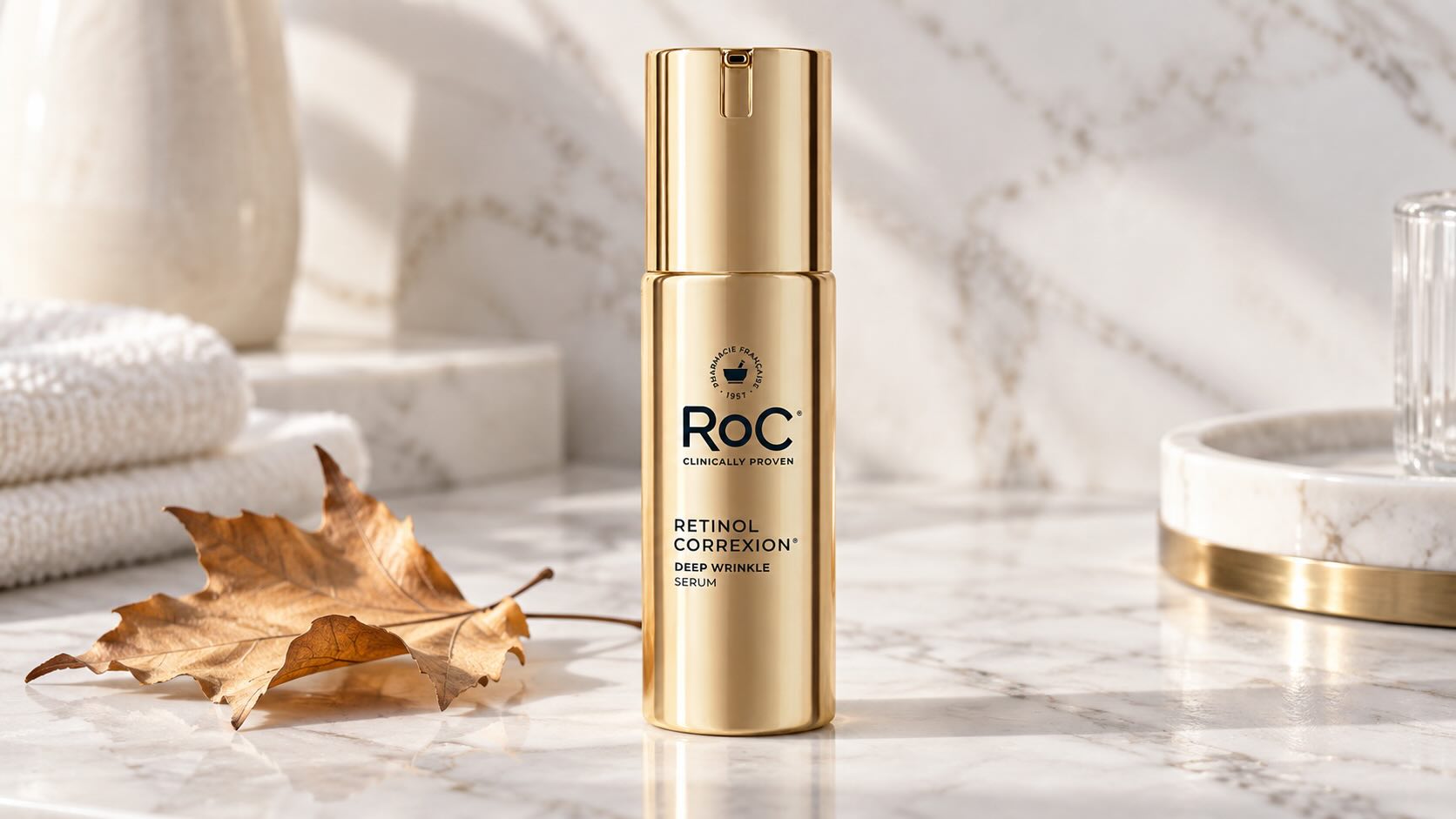
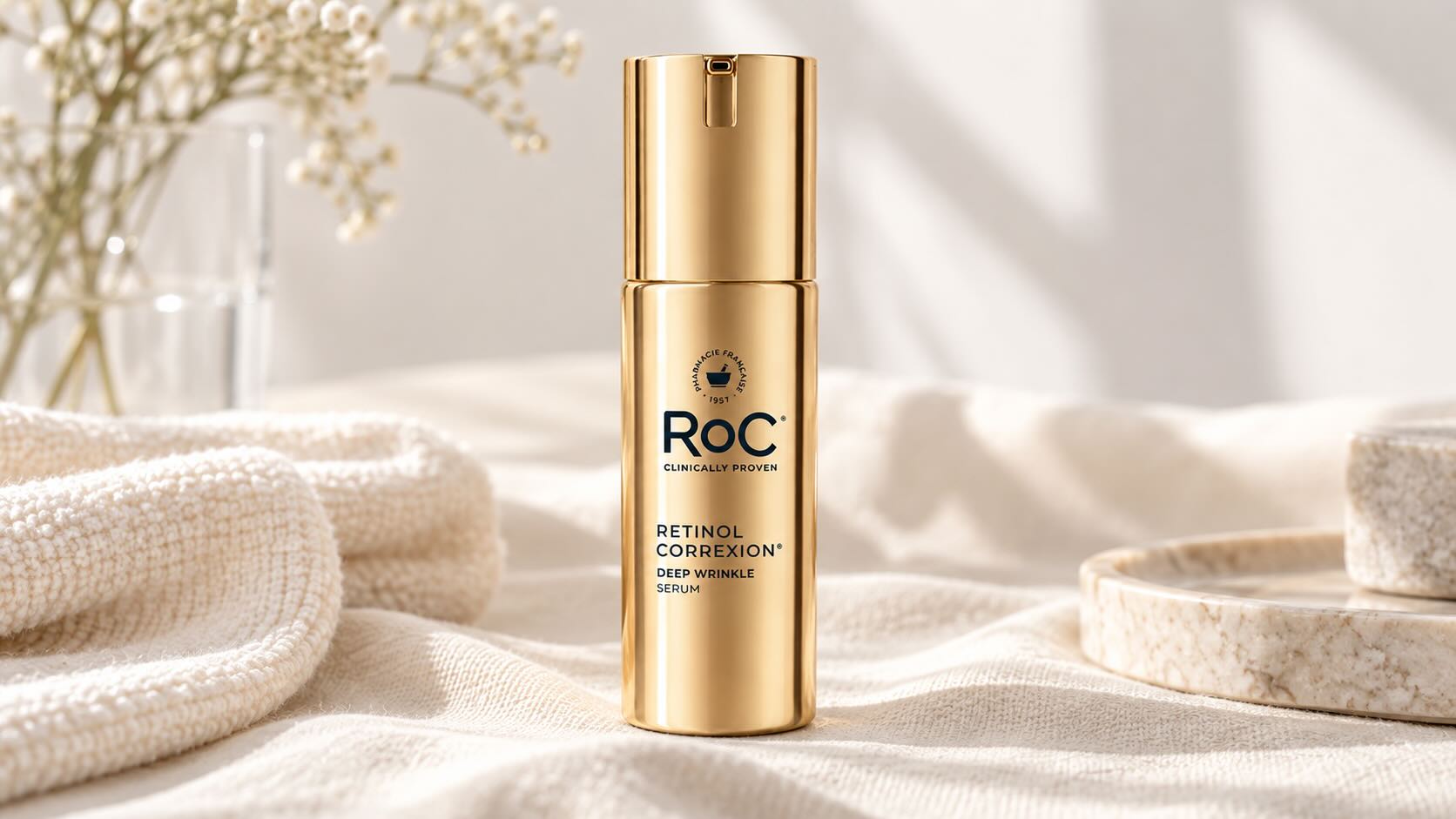
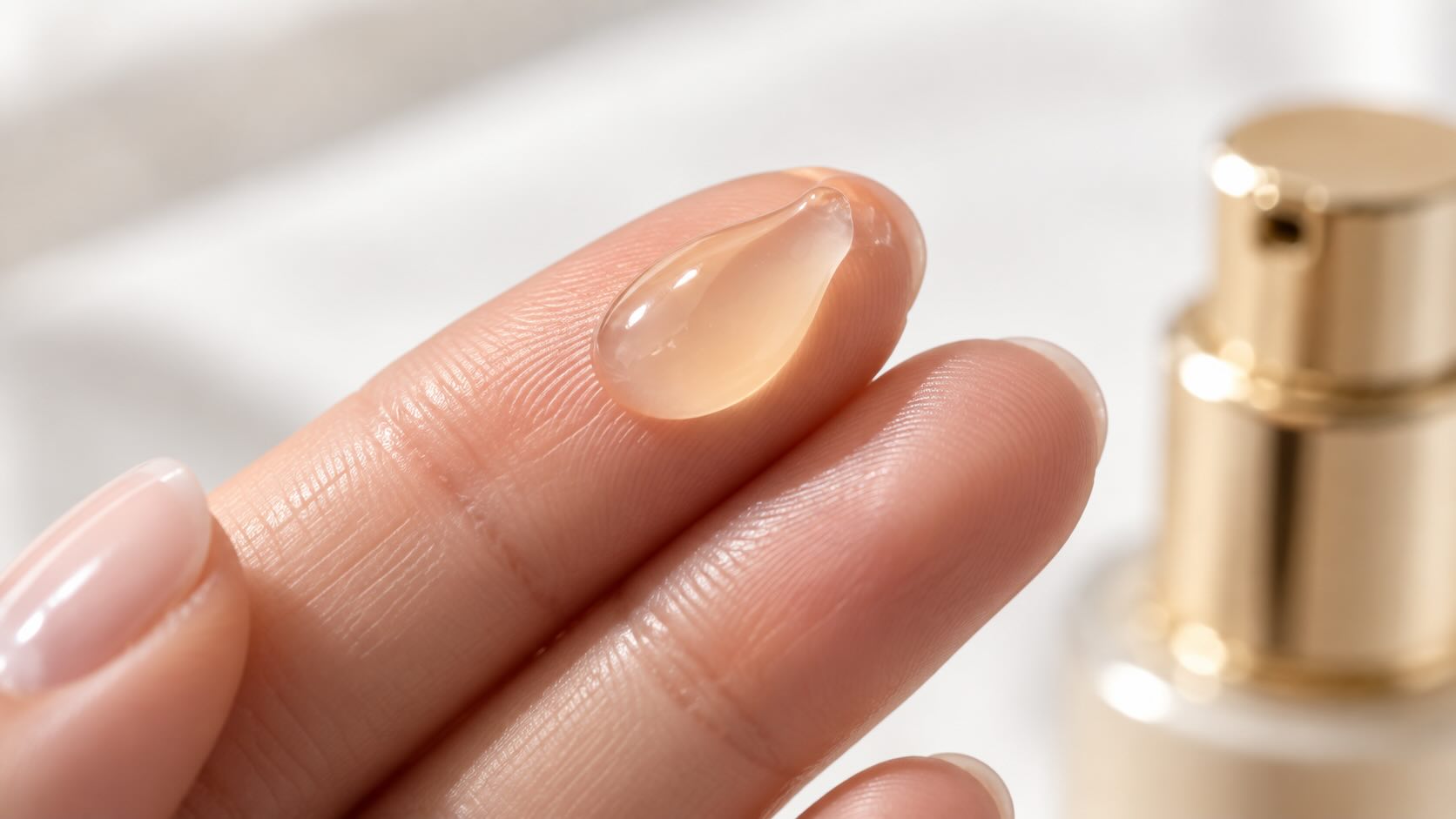
RoC Retinol Correxion Line Smoothing Serum
Active: Retinol (concentration not disclosed, beginner-appropriate)
Delivery: Microencapsulated retinol — timed-release for reduced irritation
Supporting ingredients: Hyaluronic acid, glycerin
Target: Fine lines, uneven texture, skin tone — anti-aging primary focus
Use: PM every other night (build to nightly over 4–6 weeks)
Skin type: All skin types; beginner-to-intermediate retinol users
Why RoC has held dermatologist recommendations for 30 years
RoC launched its Retinol Correxion range in the early 1990s — one of the first OTC brands to use stabilized retinol in concentrations that produced clinically measurable results without a prescription. Thirty years later, it remains one of the most consistently recommended retinol brands by dermatologists specifically because RoC invested early in the stability and delivery technology that makes retinol actually work at OTC concentrations. The Correxion Line Smoothing Serum uses microencapsulated retinol — the retinol molecules are wrapped in tiny capsules that release gradually as they penetrate the skin, producing a sustained, lower-irritation delivery that avoids the concentrated burst that causes redness and peeling in less sophisticated formulas.
The encapsulation technology is the key distinction for September use specifically. When beginning a retinol routine in fall on skin that is already slightly sensitized from summer UV exposure, the microencapsulated formula’s progressive release is significantly more tolerable than conventional retinol formulas that deposit the active immediately. RoC’s hyaluronic acid and glycerin base also provides the hydration buffer that reduces retinol dryness — the two most common reasons people quit retinol in the first month are excessive dryness and irritation, and RoC’s formula addresses both through delivery technology and supporting ingredients.
Pros
- Microencapsulated retinol — timed-release delivery reduces irritation significantly
- Hyaluronic acid base — built-in hydration buffer against retinol dryness
- Visible fine line softening and texture improvement within 8–10 weeks
- No purge phase — retinol does not cause the initial acne flare that adapalene does
- September is the ideal start window — declining UV, skin ready for repair actives
- 30-year dermatologist recommendation track record
- Forbes 2026 Best Retinol Serums list recognition
Cons
- Retinol concentration not disclosed — makes direct comparisons with other serums difficult
- Slower visible results than prescription tretinoin or Differin adapalene
- Still requires daily SPF — all retinol increases UV sensitivity
- Not the correct retinoid for active acne treatment — use Differin for acne
Why September is the best month to start retinol
The UV sensitivity factor
Retinol accelerates skin cell turnover, which means the skin surface is consistently revealing newer, less UV-hardened cells that are more sensitive to sun damage. Starting retinol in peak summer (June–August) means using a UV-sensitizing active during the highest-UV months — a contradiction that reduces results and increases the risk of hyperpigmentation from UV on the newly exposed cells. September’s declining UV levels make it the most risk-appropriate month to begin retinol: the photosensitization effect is real but its consequences are lower because the UV load against which it operates is also lower. By the time UV levels rise again next April, the skin will be 7 months into retinol use and its cell turnover will have stabilized to accommodate the retinol’s acceleration.
The summer sensitization problem
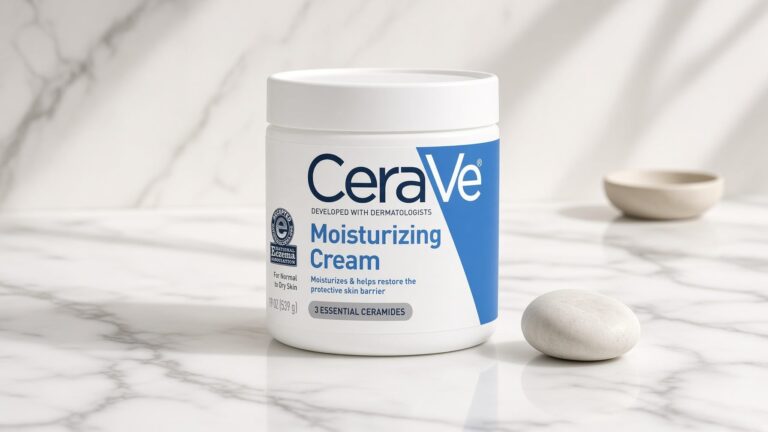
Skin entering September is typically slightly sensitized from UV exposure, sweat, and heavy SPF layering — its barrier is not at peak strength. This is exactly why the RoC microencapsulated formula’s gentleness is appropriate: beginning retinol on summer-sensitized skin with a conventional formula that deposits retinol immediately is more likely to cause irritation than the same formula applied to fully barrier-repaired winter skin. The September approach for sensitive skin is to pair CeraVe Moisturizing Cream barrier repair with RoC’s progressive-release retinol simultaneously — barrier strengthening alongside gentle retinol introduction, rather than waiting for perfect barrier conditions before starting.
The fall routine integration advantage
Fall routines naturally shift toward richer, more treatment-focused products — heavier moisturizers, barrier-repair creams, actives that the summer heat made impractical. Retinol fits naturally into this seasonal shift: it works best in cooler temperatures (stability is higher in cool, dry air vs summer heat and humidity), pairs well with the richer fall moisturizers that buffer its dryness, and produces results visible by January when holiday events peak. Starting in September produces the best November-January results of any retinol start window.
The 10-week beginner retinol protocol
Weeks 1–2: Every third night
Apply RoC Retinol Correxion every third night only — Sunday, Wednesday, Saturday for example. Apply after cleansing, wait 5 minutes for the skin to fully dry (damp skin increases retinol penetration and irritation simultaneously), then apply a pea-size amount across the full face. Follow immediately with CeraVe Moisturizing Cream. This low-frequency start prevents the skin from experiencing retinol faster than it can adapt, and the every-third-night pattern allows 48 hours of recovery between exposures.
Weeks 3–4: Every other night
If weeks 1–2 produced no significant redness, flaking, or irritation, increase to every other night. Continue the same application sequence: cleanse → dry completely → pea-size RoC → CeraVe moisturizer on top. Monitor for any irritation signs — if they appear, return to every-third-night and rebuild more slowly. The goal is consistent, sustainable use rather than aggressive frequency escalation.
Weeks 5–10: Nightly use and consolidation
By week 5, most users without sensitive skin can establish nightly use. This is where the compounding benefit of retinol begins to appear: skin cell turnover is now consistently accelerated, collagen stimulation in the dermis has begun from the sustained retinol signal, and the fine line softening and texture improvement become visible in photographs. Continue pairing with CeraVe and daily SPF throughout — these are the non-negotiable supports for any retinol routine.
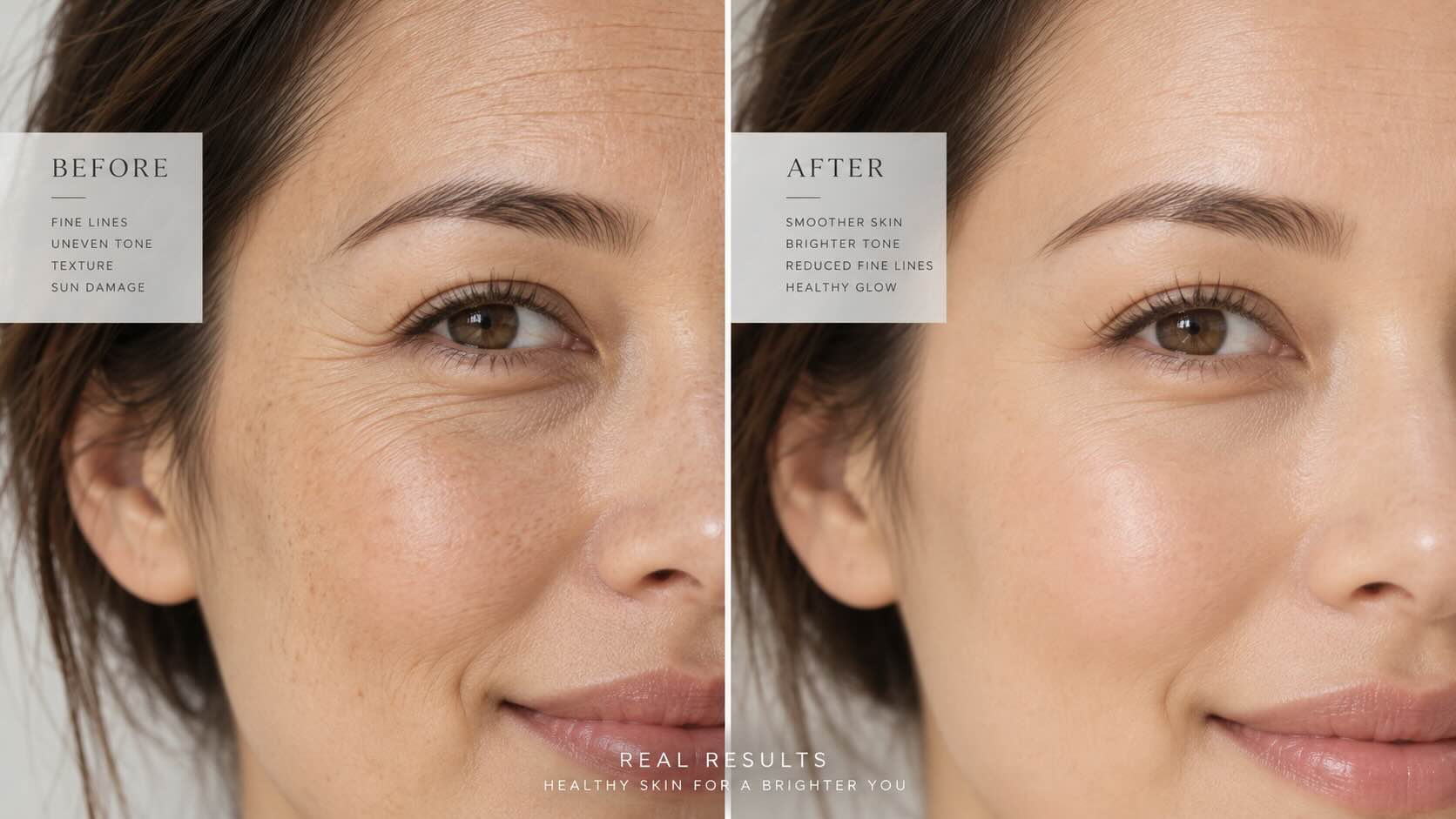
My 10-week results
Who should choose RoC over Differin
This is the most important question for anyone considering a retinoid in September 2026, given that both are on celeblabel:
Choose RoC Retinol Correxion if:
- Your primary goal is anti-aging — fine lines, texture, luminosity, collagen support
- You do not have active acne or blemish-prone skin
- You are a retinol beginner and want to build tolerance gently
- You cannot commit to a 12-week purge phase and potential initial worsening
- You prefer a serum texture with built-in hydration rather than a gel
- You are 28–45 and want the skin renewal benefits of retinol without clinical acne treatment
Choose Differin Adapalene instead if:
- Active acne or blemish-prone skin is your primary concern
- You want the FDA-approved acne treatment mechanism and AAD first-line recommendation
- You are willing to commit through a 6–8 week purge phase for stronger eventual results
- You want the most potent OTC retinoid available regardless of the adjustment process
RoC vs other retinol serums
RoC Retinol Correxion vs The Ordinary Retinol 0.5% in Squalane
The Ordinary offers retinol at known concentrations (0.2%, 0.5%, 1%) in a simple squalane base at around $10 — significantly less expensive than RoC. The tradeoff is that conventional (non-encapsulated) retinol at 0.5% in The Ordinary’s formula delivers the active more immediately than RoC’s encapsulated release, which can cause more irritation for beginners. The Ordinary is the better-value choice for intermediate retinol users who have already established tolerance. RoC’s encapsulated formula is the more appropriate September beginner choice for anyone starting retinol for the first time on summer-sensitized skin.
RoC Retinol Correxion vs Olay Regenerist Retinol 24 Max
Olay Regenerist Retinol 24 Max is a retinol moisturizer (combined in one step) rather than a standalone serum. The 2-in-1 format is simpler for beginners but provides less flexibility for layering with other actives. RoC Correxion as a standalone serum allows more precise control of the retinol step in a multi-step routine. For a simplified one-product fall routine, Olay is appropriate. For a skincare-engaged user building a structured fall routine, RoC’s serum format is the better choice.
RoC Retinol Correxion vs Innisfree Retinol Cica Ampoule
Innisfree’s Retinol Cica Ampoule pairs retinol with centella asiatica for calming — specifically designed for sensitive skin that needs retinol’s benefits without the irritation. At a similar price point, it is the more sensitive-skin-appropriate option. RoC Correxion’s encapsulated delivery serves a similar function through a different mechanism. Both are excellent beginner retinol options; Innisfree wins on calming support for reactive skin, RoC wins on 30-year track record and dermatologist recommendation data.
FAQ
Can I use RoC Retinol Correxion with vitamin C?
Yes, but at different times of day. Vitamin C (Goodal Green Tangerine Vita C or any vitamin C serum) is an AM antioxidant that pairs with SPF. RoC Retinol Correxion is a PM retinol that accelerates cell turnover at night. Using vitamin C in the AM and retinol in the PM is the standard brightening-plus-renewal protocol that dermatologists use for comprehensive anti-aging — the two work synergistically across day and night without direct interaction.
Will RoC Retinol cause a purge like Differin?
No — retinol does not cause the acne purge associated with adapalene (Differin). The purge from adapalene occurs because it specifically targets and accelerates the clearing of existing acne microcomedones. Retinol accelerates general cell turnover but does not have the same targeted acne-clearing mechanism. Some users experience mild initial flaking or dryness from retinol, but this is a barrier adaptation response, not a purge. It typically resolves within 2–3 weeks rather than the 4–8 week adapalene purge window.
How does RoC’s encapsulated retinol differ from regular retinol?
Standard retinol in a serum is immediately available on contact with the skin — it begins penetrating and converting to retinoic acid from the moment of application. Encapsulated retinol is surrounded by a shell that ruptures progressively as it penetrates deeper into the skin, releasing the retinol gradually over several hours rather than all at once. This slower release reduces the concentrated exposure at the skin surface that causes immediate redness and stinging, while still delivering the same cumulative retinol amount to the skin over the night. The result is comparable long-term efficacy with significantly reduced initial irritation.
How long until I see results from RoC Retinol Correxion?
Initial texture improvement is typically noticeable at 6–8 weeks of regular (every-other-night to nightly) use. Fine line softening becomes visible at 8–12 weeks. The most significant results from retinol — including dermal collagen stimulation effects — require 3–6 months of consistent use. September start timing means peak results at January–February, which is the ideal window for holiday season appearances and the post-winter skin assessment that drives spring skincare decisions.
Final verdict — RoC Retinol Correxion Line Smoothing Serum
RoC Retinol Correxion Line Smoothing Serum is the answer to “I want retinol results without the Differin experience.” After ten weeks of the September introduction protocol — starting at every-third-night with CeraVe buffering, building to nightly — it delivered measurably softer fine lines, noticeably smoother texture, and a more even tone heading into October. The microencapsulated formula lived up to its low-irritation reputation: no purge, no significant dryness, no reason to quit. For anyone whose primary retinol goal is anti-aging rather than acne, this is the correct September starting point on Amazon in 2026.