Moroccanoil Treatment Original Review: The Professional Hair Oil That Earned Its Reputation
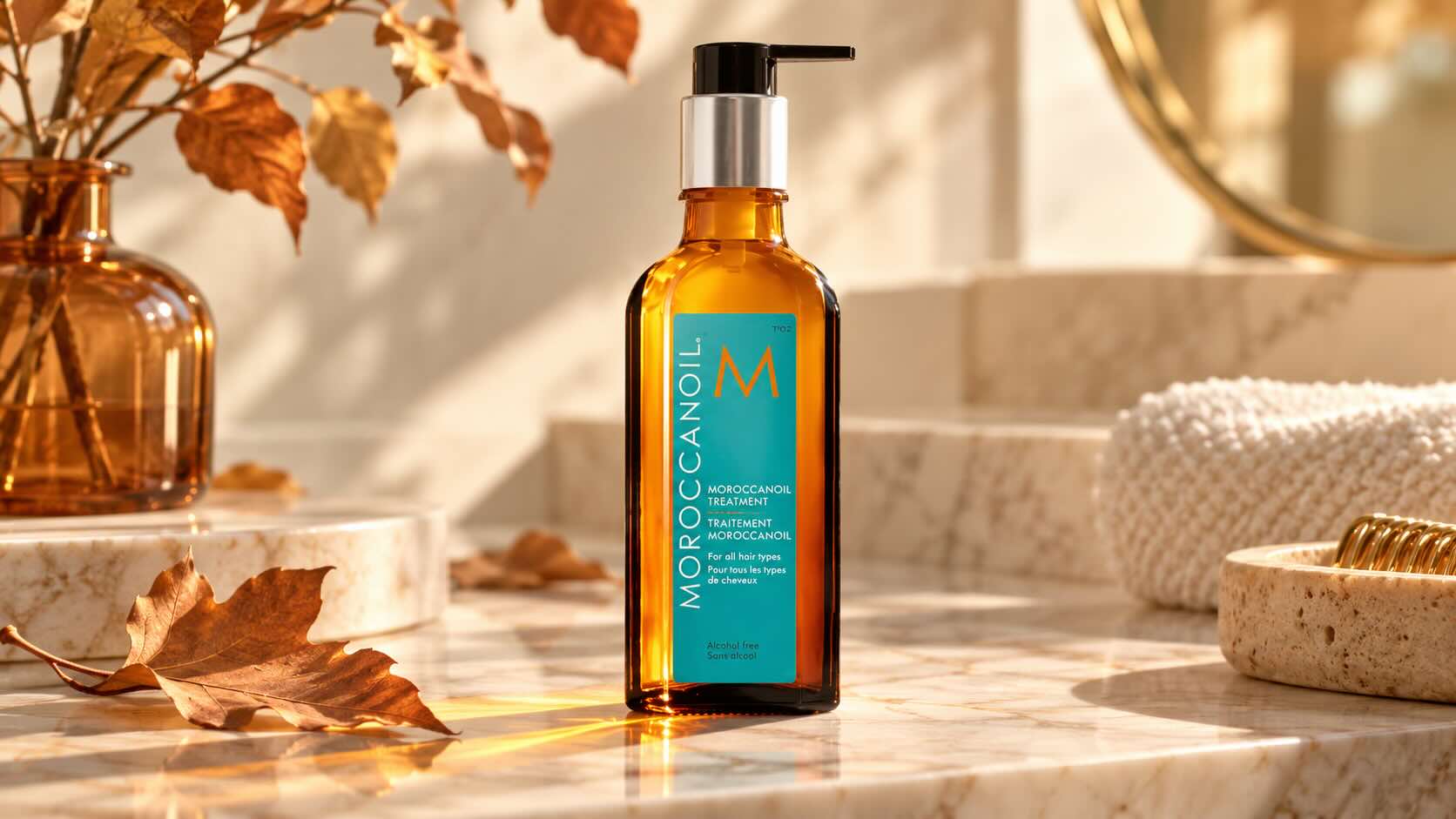
There are hair oils, and then there is Moroccanoil Treatment Original — the product that created the professional hair oil category in 2007 and has held its position as the reader-favorite repurchased hair oil in 2026 despite being surrounded by competitors at every price point. After six weeks of daily use on heat-styled hair through the September fall transition, I understand why it has maintained this position for nearly two decades. The argan oil and keratin protein formula delivers shine, frizz control, and heat protection simultaneously in a way that drugstore alternatives consistently fail to replicate — and the combination of all three in one pre-style application is what makes it genuinely irreplaceable for anyone who uses heat tools on their hair.
This is the deep review of Moroccanoil Treatment Original — not just what it does, but the chemistry of argan oil’s fatty acid profile and why it outperforms generic “hair oils” sold at lower prices, the correct application technique that prevents the greasy result most people experience on their first attempt, and why September — the transition into fall heat-styling season — is the most important time to have a professional hair oil in your routine.
Contents
Quick Verdict
Best for: Heat-styled hair that needs simultaneous frizz control, shine enhancement, and heat protection — the original three-in-one professional pre-style treatment.
Skip if: Your hair is very fine or low-porosity — even small amounts can weigh fine hair down if not distributed correctly.
Editor score: 9.4 / 10
Price tier: Around $46 for 3.4oz
Moroccanoil Treatment Original — full review
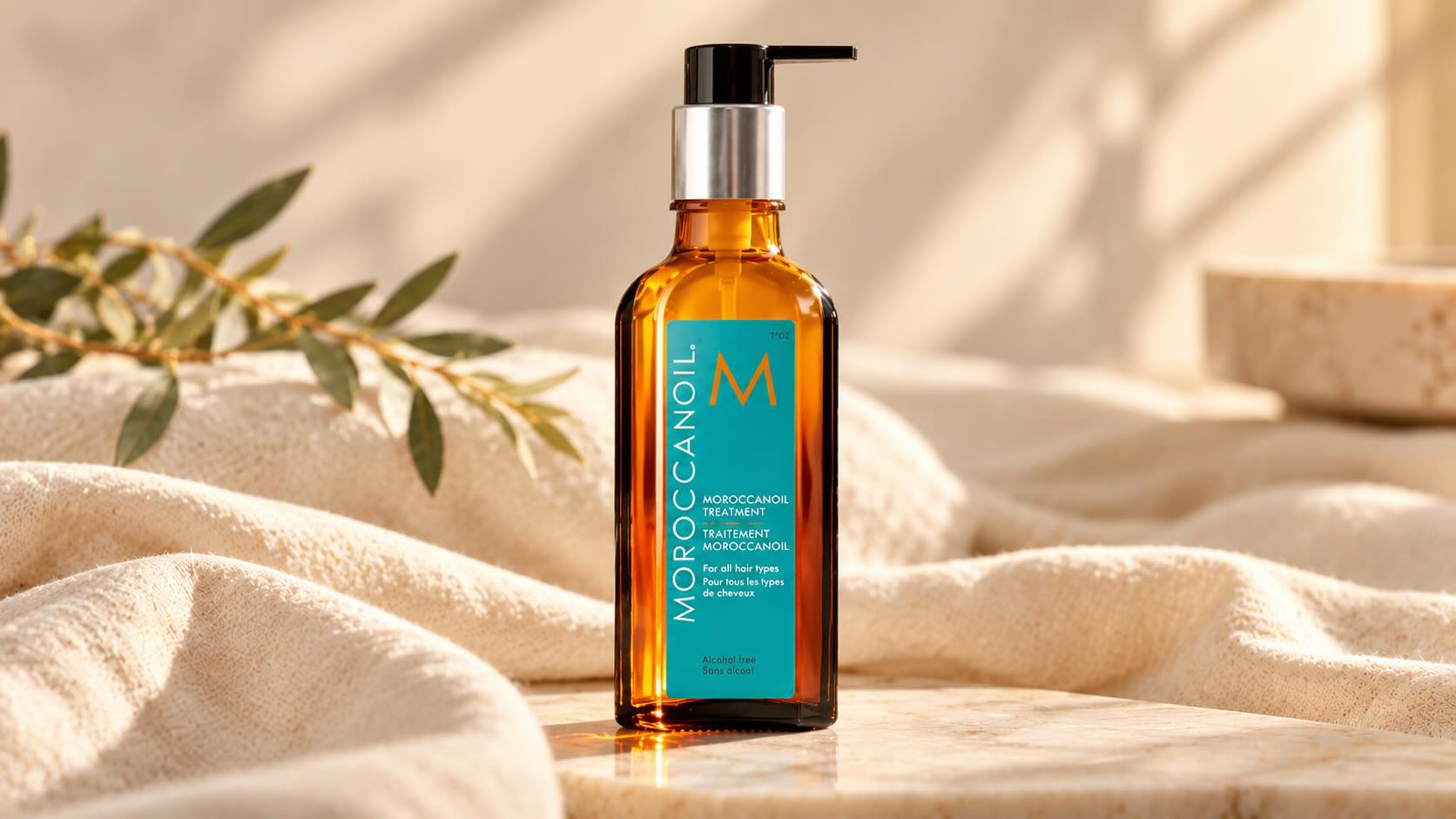
Moroccanoil Treatment Original (3.4oz)
Hero ingredient: Argan oil (argania spinosa kernel oil) — cold-pressed
Supporting ingredients: Keratin proteins, cyclomethicone (shine), antioxidants
Functions: Frizz control + shine + heat protection — simultaneous triple action
Use: Pre-style on damp or dry hair; finishing oil on dry hair
Hair type: Normal to thick, color-treated; use Moroccanoil Light for fine hair
Scent: Signature amber-floral — distinctive and long-lasting
Why it has held its position since 2007
Moroccanoil Treatment Original launched in 2007 as the first hair product to position argan oil as a luxury hair treatment rather than a cooking ingredient. Before Moroccanoil, argan oil was consumed in Moroccan cuisine and used regionally for skin care — the application to hair care was Moroccanoil’s innovation, and the product’s performance was immediate and undeniable enough that it was adopted by professional salons globally within two years of launch. The formula’s longevity in an industry that cycles through trends rapidly is the clearest possible signal that it genuinely works: salon stylists continued recommending it not because of marketing, but because clients who used it came back with measurably better hair.
The core formula has remained largely unchanged since 2007 — argan oil as the primary active, supported by keratin proteins for structural strength, cyclomethicone for slip and shine, and a proprietary antioxidant blend. The result is a treatment that addresses three distinct hair concerns in one pre-style application: frizz (the argan oil’s oleic acid content smooths the cuticle and reduces moisture absorption from humid air), shine (the cyclomethicone creates a light-reflective coating on the cuticle surface), and heat protection (the argan oil creates a thermal barrier that slows the rate at which heat from blow dryers and flat irons reaches the cortex). No drugstore “argan oil” alternative has replicated all three effects simultaneously at the same level.
Pros
- Frizz control, shine, and heat protection simultaneously — the original three-in-one
- Cold-pressed argan oil — highest fatty acid concentration vs refined alternatives
- Keratin proteins strengthen hair alongside the cosmetic benefits
- Lasting frizz control through fall humidity fluctuations
- Color-safe — argan oil does not strip or fade color-treated hair
- Reader #1 repurchased hair oil in 2026 surveys — genuine long-term satisfaction
- Distinctive amber-floral scent that lasts several hours
Cons
- Fine hair requires Moroccanoil Light version — Original can feel heavy on very fine hair
- Premium price at around $46 for 3.4oz
- Signature scent is strong — not for fragrance-sensitive users
- Requires precise dosing — too much produces greasy result rather than sleek
Why argan oil outperforms generic hair oils
The fatty acid profile of genuine argan oil
Cold-pressed argan oil has a specific fatty acid composition that drives its hair benefits: approximately 43% oleic acid (omega-9) and 37% linoleic acid (omega-6), alongside vitamin E (tocopherols) at concentrations among the highest of any plant oil. Oleic acid has a small molecular structure that allows it to penetrate the hair’s outer cuticle and enter the cortex — providing internal conditioning rather than just surface coating. Linoleic acid forms a protective barrier on the cuticle surface that reduces the rate at which humid air penetrates the hair shaft, directly addressing frizz at its source (moisture uptake from the environment). Vitamin E provides antioxidant protection that reduces the free radical damage caused by UV and heat styling. Generic “argan oil” products typically use refined argan oil (heat-processed, lower fatty acid content) or blends that contain only a small percentage of true argan alongside cheaper carrier oils — the fatty acid profile of refined or diluted argan does not match cold-pressed argan’s performance.
Why September is the critical transition for hair oil
In summer, hair is exposed to UV, salt, and chlorine — all of which damage the cuticle and strip the natural oil coating that gives hair its shine and frizz resistance. By September, summer-damaged hair has a rougher, more porous cuticle that absorbs environmental moisture more readily — making frizz worse — and reflects light less efficiently — making hair look dull. The combination of summer’s cuticle damage and fall’s increasingly humid morning air (dew forming as temperatures drop) creates the worst frizz conditions of the year in September. Moroccanoil Treatment addresses both: the argan oil’s oleic acid begins penetrating and smoothing the damaged cuticle from the first application, and the oleic-rich barrier on the surface reduces the humidity-driven frizz that September mornings produce.
Heat protection mechanism
Argan oil creates a thermal barrier on the hair surface that increases the temperature threshold at which heat styling tools damage the hair. Without oil, a flat iron at 400°F reaches the cortex temperature within seconds and begins breaking hydrogen bonds and, at sustained high heat, disulfide bonds in the keratin structure. With Moroccanoil’s argan oil coating, the surface temperature is buffered — the oil requires additional heat energy to overcome before the iron’s temperature reaches the cuticle and cortex. This is not equivalent to a dedicated heat protectant at very high temperatures, but for normal blow-dry and flat iron temperatures (300–375°F), the argan oil coating provides meaningful additional protection against the cumulative damage that fall’s increased heat styling causes.
The correct application technique
The common mistake: too much, on wrong hair zones
The most common Moroccanoil user error is applying too much and applying it to the roots — both produce a greasy result that gives the impression the product is too heavy. Moroccanoil Treatment is a mid-length and ends product only. The scalp produces its own sebum; adding oil to the root zone creates the greasy, flat look that makes people conclude the product does not work for their hair type. The correct application is roots-excluded and amount-controlled.
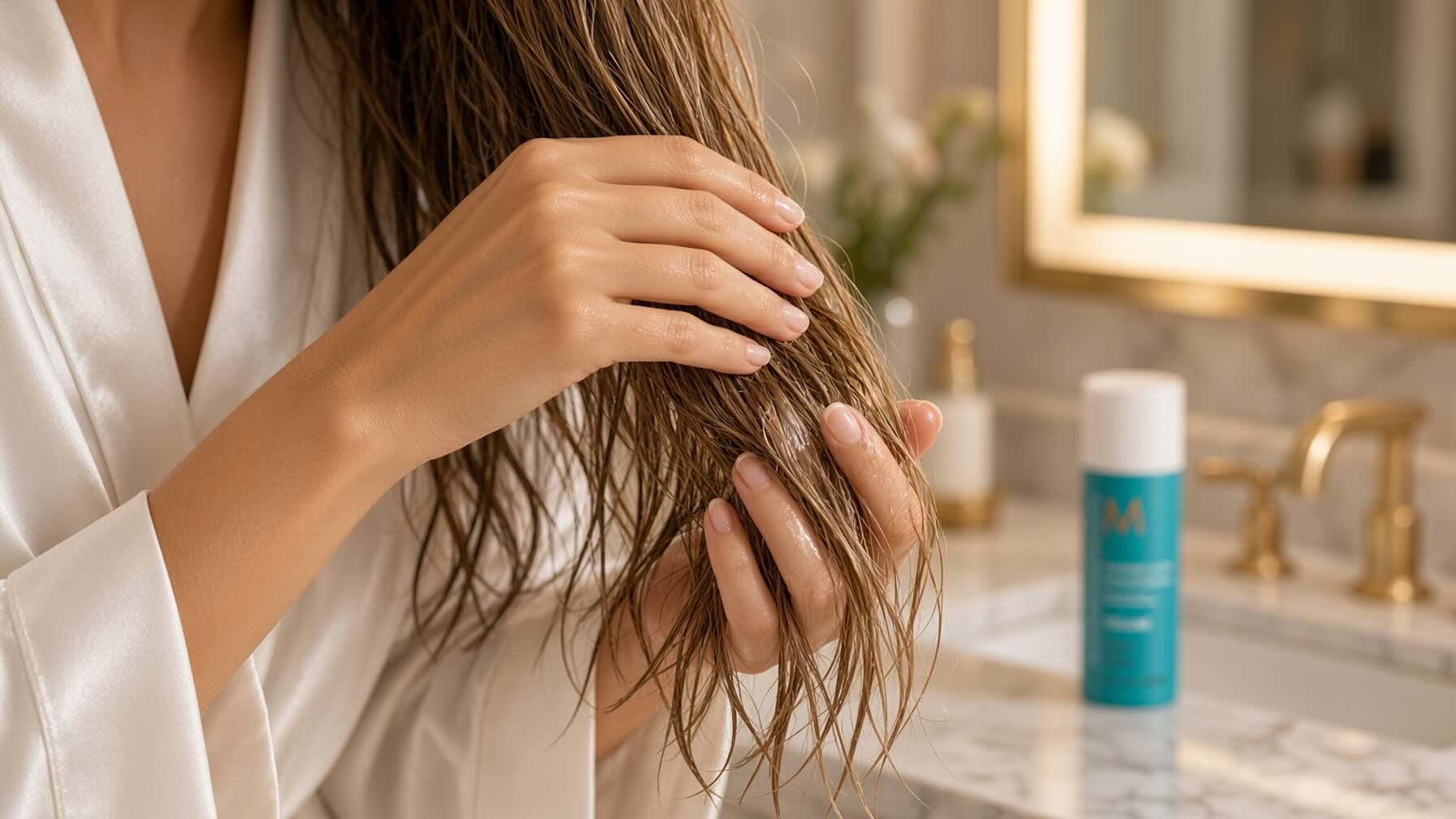
The correct pre-style application
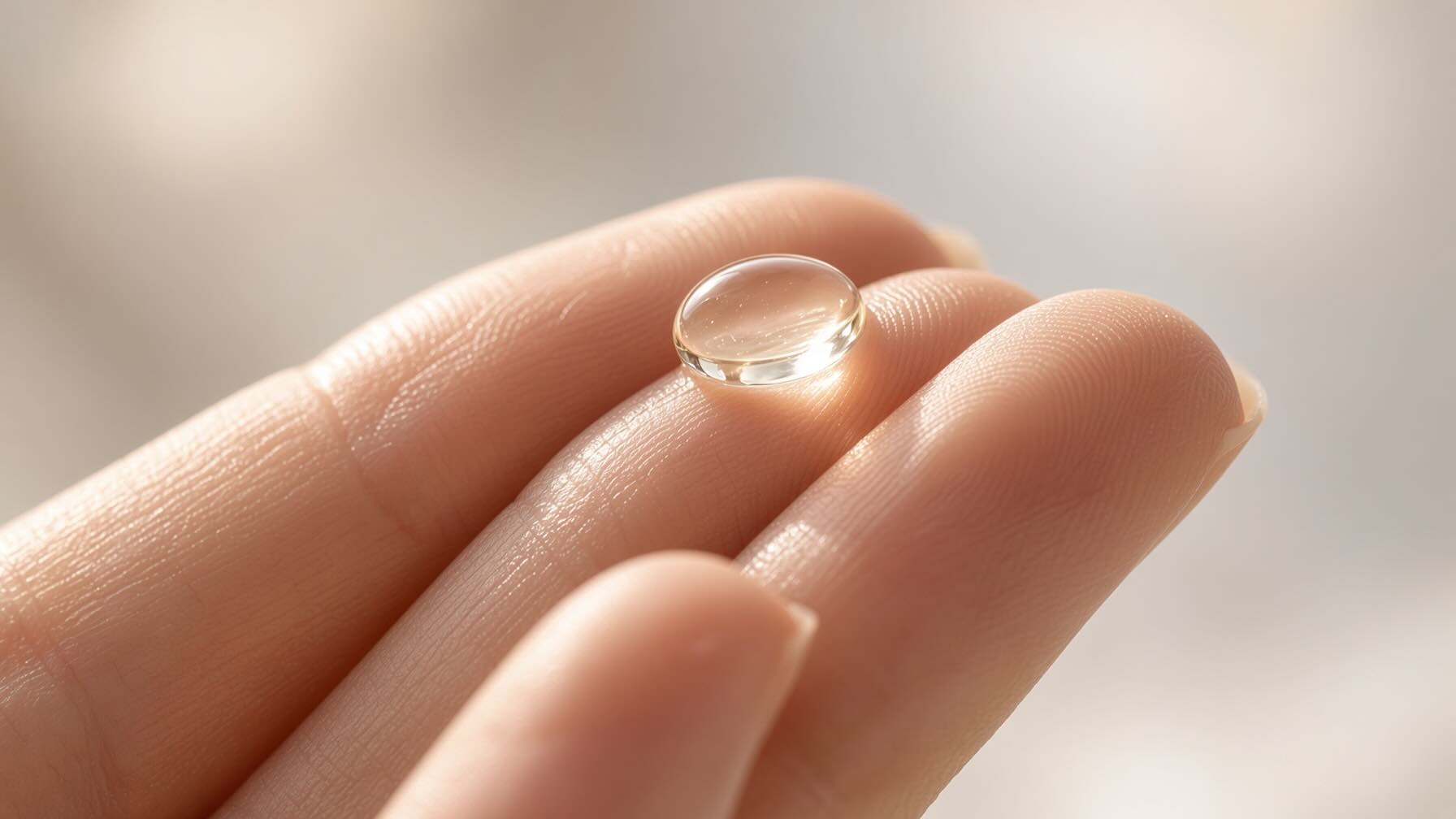
After shampooing and conditioning, towel-dry to damp — not soaking wet, which dilutes the product too much, and not fully dry, where it cannot distribute evenly. Dispense 1–2 pumps (fine to medium hair: 1 pump; thick or very long hair: 2 pumps) into the palms. Rub together to distribute the oil across both palms and fingers. Apply from the ear level down — mid-lengths and ends only, running fingers through the hair to distribute. Do not apply to roots or the scalp. Style as normal with a blow dryer and round brush, or air dry. The argan oil will be almost undetectable as a product — the only visible result should be the shine, frizz control, and smoothness of the finished style.
The finishing application on dry hair
On dry, styled hair, a very small amount (1 pump maximum, often less) applied to the palms and smoothed down the length of the hair adds shine and tames flyaways without weighing the style down. This is the most common salon use — applying one pump to the hands and running through the finished blowout for the final glass-hair effect. The key is that less is always more on dry hair — start with half a pump and add only if needed.
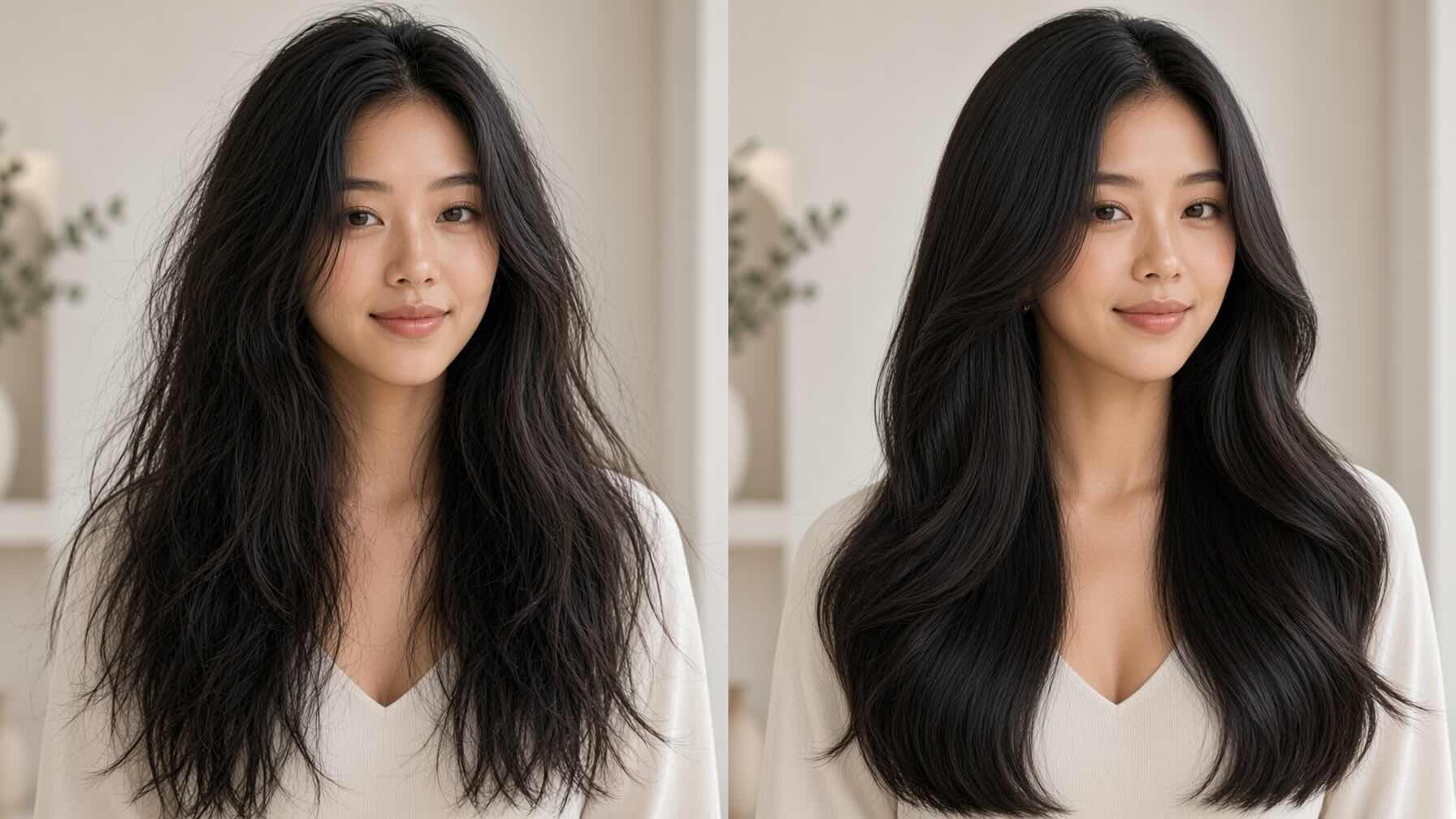
My 6-week September results
Who should use Moroccanoil Treatment
Use it if:
- You use heat tools (blow dryer, flat iron, curling iron) regularly
- Your hair becomes frizzy in fall humidity
- You want salon-quality shine from a pre-style product
- You have normal to thick hair — fine hair users should use Moroccanoil Light
- You have color-treated hair that needs both shine and protection
- You want the professional salon result at home for fall event styling
Use Moroccanoil Light instead if:
- Your hair is fine, thin, or easily weighed down
- You prefer a lighter formula that is less likely to produce any heaviness
vs other hair oils and treatments
Moroccanoil Treatment Original vs Kérastase Elixir Ultime Oil ($56)
Kérastase Elixir Ultime is the prestige salon alternative — a blend of four oils (argan, maize, camellia, and marula) at a higher price point. Both produce excellent shine and frizz control. Kérastase wins on multi-oil synergy and the most premium sensory experience. Moroccanoil wins on brand history, professional adoption, and the more focused argan oil concentration. Both are legitimate prestige choices; Moroccanoil is the more established reference point.
Moroccanoil Treatment Original vs generic Amazon argan oil ($10–15)
Amazon offers dozens of argan oil products at under $15 — typically refined argan oil in a pump bottle, often blended with cheaper carrier oils. The difference from Moroccanoil is the fatty acid quality (refined vs cold-pressed), the supporting formula (Moroccanoil adds keratin proteins and cyclomethicone that pure argan oil lacks), and the heat protection additive. Generic argan oils provide basic conditioning; Moroccanoil provides the three-in-one pre-style performance that justifies the premium for anyone who uses heat tools daily.
Moroccanoil Treatment vs Olaplex No.7 Bonding Oil
Olaplex No.7 is a bonding hair oil that combines Olaplex’s bond-building BADD technology with a lightweight oil for shine and heat protection. It is more directly targeted at bond repair alongside styling — the bond-building element makes it the better choice for heavily damaged hair that needs both structural repair and surface performance. Moroccanoil is better for less damaged hair that primarily needs shine, frizz control, and heat protection. For September’s summer-damaged hair, pairing Olaplex No.3 (weekly bond repair) with Moroccanoil Treatment (daily surface performance) is the complete approach.
FAQ
Can Moroccanoil Treatment be used on color-treated hair?
Yes — argan oil is color-safe. It does not strip pigment molecules from the hair shaft and actually enhances color vibrancy by smoothing the cuticle, which reflects light more evenly and makes color appear more saturated. Many colorists recommend Moroccanoil specifically for maintaining color between appointments.
How much Moroccanoil Treatment should I use?
For fine to medium hair: 1 pump. For thick or long hair: 2 pumps maximum. Always apply to palms first, distribute evenly across both hands, then apply mid-lengths to ends only. The most common error is using too much — if your hair looks greasy after styling, halve the amount next time. Many experienced users find that 0.5 pumps (half a pump) is sufficient for medium hair, and the results improve when the amount is reduced below what seems intuitive.
Is Moroccanoil Treatment the same as pure argan oil?
No — Moroccanoil Treatment contains argan oil as the hero ingredient alongside keratin proteins, cyclomethicone for slip and shine, and antioxidants. Pure argan oil in a bottle is the raw ingredient without the supporting formula that produces the frizz control and styling performance Moroccanoil delivers. The formula as a whole is what produces the professional result — not the argan oil in isolation.
What is the difference between Moroccanoil Treatment Original and Moroccanoil Treatment Light?
Moroccanoil Treatment Light is the same formula with a reduced oil concentration, specifically developed for fine hair that finds the Original too heavy. The Moroccanoil Light delivers equivalent shine and frizz control at a lower concentration that does not weigh fine hair down. If you have fine or thin hair and are concerned about heaviness, start with the Light version.
Final verdict — Moroccanoil Treatment Original
Moroccanoil Treatment Original has held its position as the most repurchased professional hair oil for nearly two decades — not through trend cycles or marketing, but because it consistently delivers what hair stylists and their clients need: simultaneous frizz control, shine enhancement, and heat protection in one pre-style application. After six weeks of daily September use through the most challenging frizz season of the year, it produced the smoothest, most consistent blowout results I have achieved outside a salon. At around $46 for 3.4oz, it is an investment — and one that the readers who repurchase it year after year clearly consider worth it.